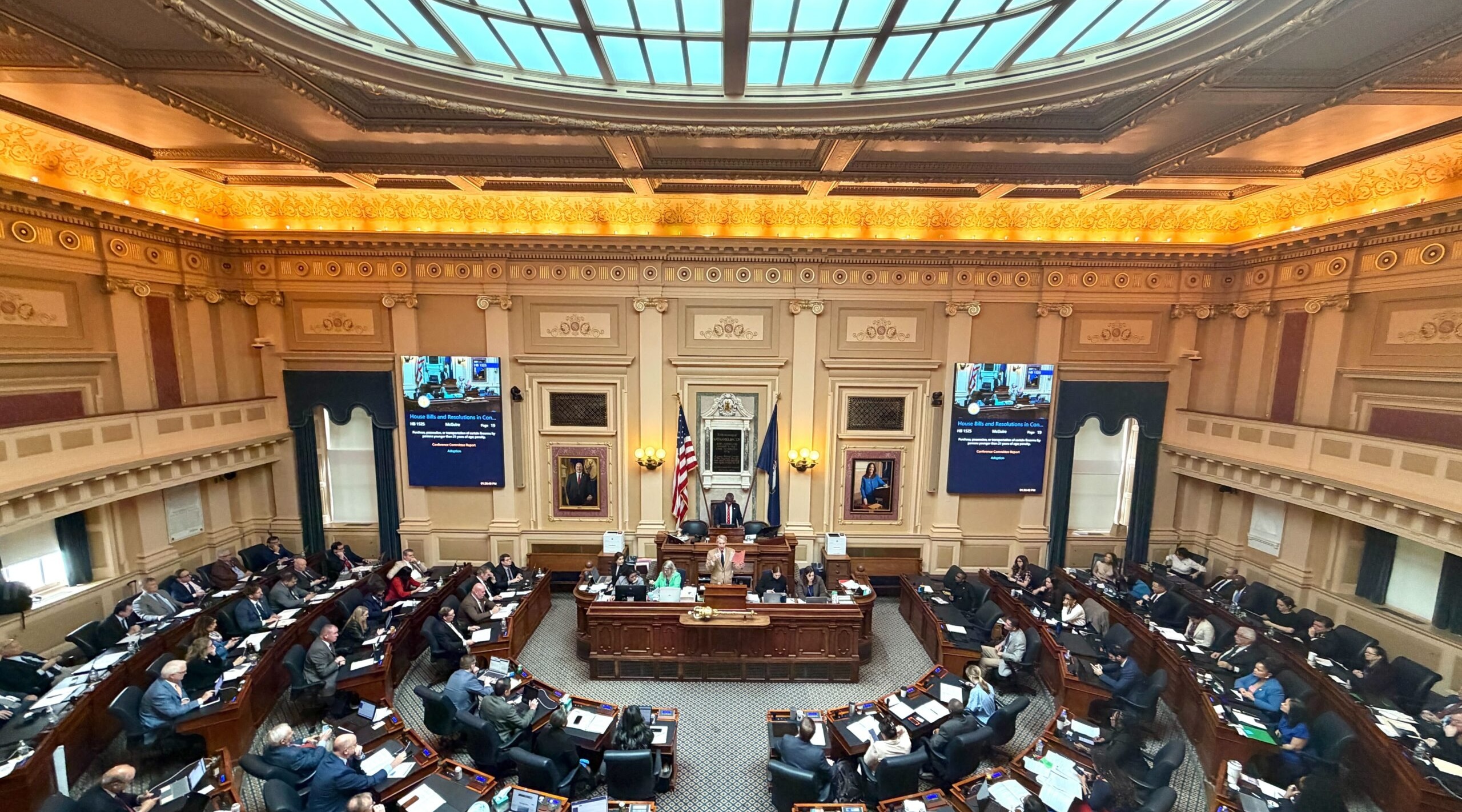
Virginia’s legislative session ended on Saturday without a final vote on House Bill 161 — the most advanced iGaming legalisation attempt in the United States this year. For operators and industry supporters who had invested significant effort in the bill’s progress, the outcome was a bitter pill to swallow, particularly given how far the proposal had come.
Table of Contents
A bill that cleared almost every hurdle
House Bill 161 aimed to establish a fully regulated online casino framework accessible across desktop, tablet and mobile devices. It navigated significant early opposition, securing important votes in both the Senate and the House of Delegates. When the two chambers passed slightly different versions of the bill, a conference committee was formed to produce a unified final text — and successfully did so.
But time ran out before either chamber could bring that final version to the floor for a vote. A bill that had survived months of negotiation and political pressure was ultimately killed not by opposition, but by the clock.
Familiar opposition slowed the momentum
While the procedural deadline delivered the final blow, the bill faced persistent headwinds throughout the session. Opponents raised well-worn concerns about problem gambling, family financial strain, and the potential impact on land-based casino employment. The National Association Against iGaming (NAAiG) was particularly vocal, circulating polling data claiming that 62% of Virginia voters would oppose any candidate who supported iGaming legislation — a political framing that may have given some lawmakers reason to hesitate.
Industry advocates argue that these claims do not hold up against the data. Evidence from existing regulated markets consistently shows that online casino expansion complements rather than cannibalises physical properties, introducing new player demographics and boosting overall revenue.
Tax revenue debates consumed precious time
Beyond the ideological arguments, financial negotiations also ate into the available legislative window. Determining how to distribute tax revenues fairly among state coffers, local municipalities and problem gambling programmes is a politically delicate exercise — and in Virginia, those discussions dragged on long enough to leave lawmakers without a result when the session closed.
What this means for the wider US market
The Virginia miss carries significant implications for the national iGaming landscape. Industry analysts had widely regarded the state as the best opportunity for US online casino expansion in 2026, and its failure suggests that new state-level regulation is unlikely to materialise this year.
The eight states currently permitting iGaming — Connecticut, Delaware, Maine, Michigan, New Jersey, Pennsylvania, Rhode Island and West Virginia — will retain their positions for at least another legislative cycle.
The road back
For operators and lobbyists, the focus now shifts to the next session. The groundwork laid in Virginia this year demonstrates that genuine appetite exists for regulated digital gaming — the challenge is converting that appetite into votes. Addressing local concerns more effectively, countering opposition narratives with industry data, and making the tax revenue case more compellingly will all be essential if Virginia is to cross the finish line next time around.