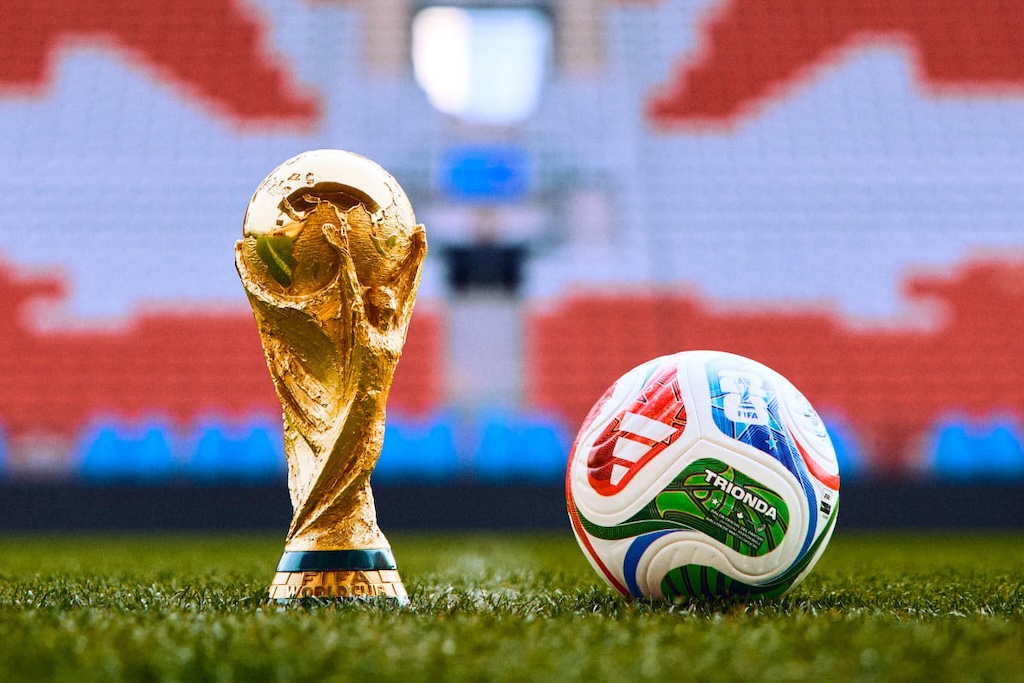
The FIFA World Cup 2026 is shaping up to be the single largest user acquisition and betting volume event in the history of Brazil’s regulated gambling market. A Kantar study conducted in November 2025, based on a sample of 600 Brazilian consumers, puts hard numbers behind that expectation — and the findings carry significant implications for every operator eyeing the tournament.
According to the research, 77% of Brazilian consumers plan to follow the World Cup, signalling a level of audience engagement that dwarfs virtually any other sporting event on the calendar. More critically for the betting industry, 37% of respondents said they intend to place sports bets during the tournament — a figure that points to an enormous window of opportunity for platforms that are ready to capitalise on it.
Table of Contents
What Brazilians want to bet on
The data also provides a clear steer on product strategy. Match outcome bets are the most popular choice, with 51% of prospective bettors planning to wager on the result of individual games. Over/under goals markets, outright tournament winner predictions, in-match specific events, and top scorer bets follow in order of preference.
For operators, this reinforces the importance of maintaining diversified betting portfolios that serve both casual first-time bettors and experienced punters — while ensuring that the most popular markets are immediately accessible, particularly during live matches when engagement peaks.
The second screen opportunity
One of the study’s most actionable findings concerns the growing role of second-screen behaviour. While free-to-air television remains the dominant viewing platform at 73%, Brazilian audiences are increasingly consuming complementary content alongside the live broadcast. Some 32% plan to seek out real-time statistics and analysis during matches, while 68% will look for related news content.
For betting platforms, this dynamic creates a powerful in-play conversion window. The combination of live television and mobile interactivity — particularly through smartphones — is precisely the environment where well-timed, intuitive betting prompts can turn a passive viewer into an active bettor.
Content, social media and the path to conversion
The engagement landscape extends well beyond the television screen. The research shows that 38% of the audience will seek out highlight clips, while 50% will engage with memes and social media content around the tournament. This behaviour reflects a broader truth about modern sports consumption: entertainment and betting are increasingly part of the same continuous user journey, with content consumption and transactional activity blending seamlessly.
For operators looking to ride this wave, a strong social and content presence will be just as important as the betting product itself.
User experience will separate the winners from the rest
As competition intensifies across Brazil’s regulated market during the tournament, user experience will emerge as a critical differentiator. The Kantar research highlights that platforms offering quick bet settlement, strong digital presence and intuitive navigation will be best positioned to capture and retain users — particularly younger audiences who expect content and interactivity to coexist without friction.
This is where the distinction between good and great platforms becomes most visible. In a market flooded with options, trusted online casinos and sportsbooks that have invested in seamless, reliable user experiences will be the ones that convert World Cup interest into lasting customer relationships. Players drawn in by the excitement of the tournament are far more likely to stay with trusted online casinos that demonstrate transparency, fast payouts and genuine commitment to responsible gambling standards.
The strategic bottom line
The FIFA World Cup 2026 is not just a sporting event for Brazil — it is a defining moment for the country’s regulated betting industry. Operators who combine the right technology, content strategy and user experience will be positioned to achieve levels of acquisition and long-term value that may not come around again for another generation.
The data is clear. The question now is which platforms will be ready when the tournament kicks off.