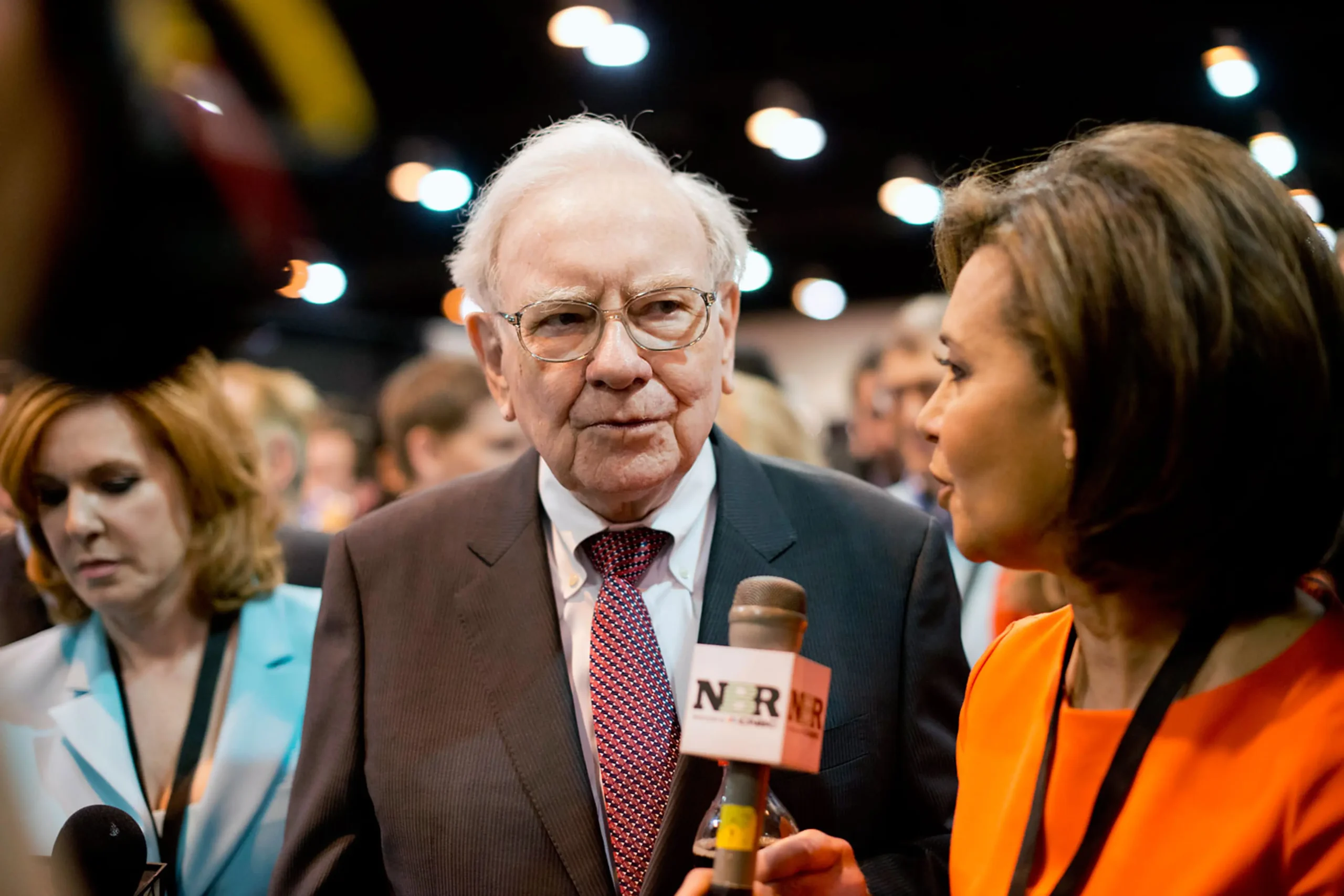
At the 2026 Berkshire Hathaway shareholder meeting, Warren Buffett delivered one of his most pointed critiques of a financial trend in recent memory. The legendary investor and philanthropist turned his attention to prediction markets — platforms where users trade on the outcomes of real-world events — and delivered a clear verdict: they are not investing. They are gambling.
Table of Contents
Buffett’s core argument
Prediction platforms like Polymarket and Kalshi have surged in popularity, attracting millions of users — many of them younger traders drawn in by the speed, simplicity and accessibility of event-based contracts. For Buffett, that simplicity is precisely the problem.
Speaking to CNBC, he described a market environment that increasingly rewards quick wins and constant action over patience and analysis. “If you’re buying one-day options or selling them, that’s not investing, it’s not speculating, it’s gambling,” he said. When trades resolve within hours or even minutes, the analytical skills that define sound investing become largely irrelevant — replaced by impulsive, intuition-driven decision-making.
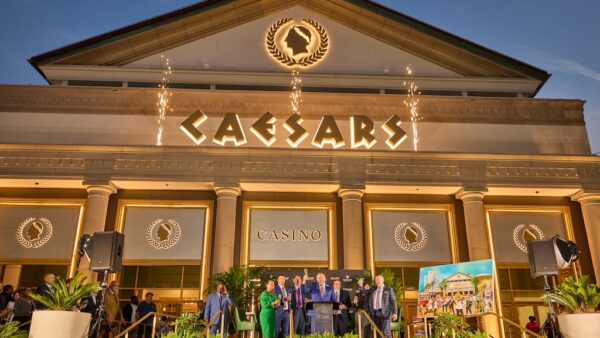
His assessment of the broader mood was equally stark. “We’ve never had people in a more gambling mood than now. The casino has gotten very attractive.”
Manipulation and insider risk
Buffett also raised concerns about market manipulation. When outcomes hinge on information not yet available to the public — or on the actions of individuals with the power to influence real-world events — the potential for abuse is significant. Recent headlines involving alleged insider activity tied to geopolitical events, including well-timed bets placed ahead of military actions, have sharpened that concern considerably.
A consistent position
Buffett’s scepticism toward prediction markets is consistent with his broader investment philosophy. He built Berkshire Hathaway into a trillion-dollar company over decades by investing in businesses he understood deeply and holding them for the long term. He has applied the same logic to cryptocurrencies, warning repeatedly that investing in Bitcoin amounts to pure speculation rather than genuine value creation.
Industry and regulatory pushback growing
Buffett is far from alone in his concerns. The American Gaming Association and the Indian Gaming Association have both raised objections to prediction market platforms, arguing that they operate outside the regulatory frameworks that traditional sportsbooks are required to follow — creating an unlevel playing field and leaving consumers without adequate protections.
Legal pressure is mounting across multiple states, where regulators contend that event-based contracts tied to sports outcomes are functionally indistinguishable from wagering, regardless of how they are framed. The Commodity Futures Trading Commission is simultaneously navigating its own legal battles with state regulators over jurisdiction.
What this means for players
The debate around prediction markets ultimately comes down to a question that the gambling industry has long grappled with: how do you protect consumers in a fast-moving, innovation-driven environment? The answer, as experience has shown, lies in regulation, transparency and accountability — the same principles that define trusted online casinos. While prediction markets operate in a regulatory grey zone that is still being defined, trusted online casinos provide players with certified fair play, licensed operations, clear terms and genuine recourse when things go wrong. In a world where the line between investing and gambling is increasingly blurred, the value of platforms built on trust and accountability has never been clearer.