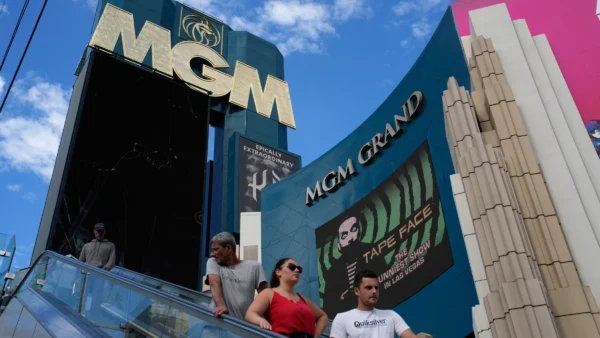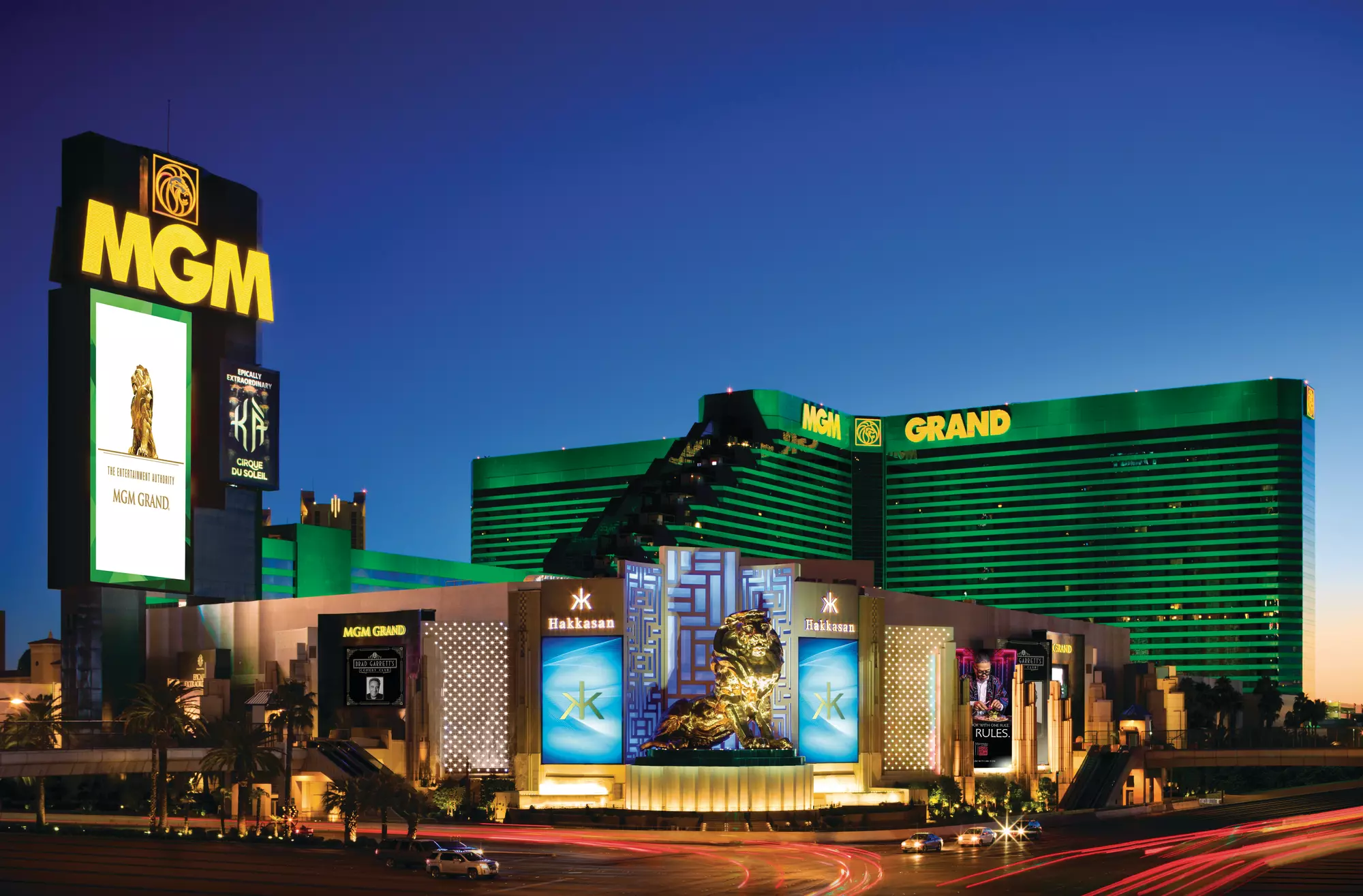
The MGM Grand Buffet closed on May 31 after 32 years of continuous service — originally opened in 1993 as the Oz Buffet, in keeping with the property’s Wizard of Oz theme. It is the latest in a long line of Strip buffet closures, and according to reporting from Vital Vegas, it will not be the last. MGM Resorts is reportedly planning to close its three remaining Las Vegas buffets by the second quarter of 2027, with the Excalibur and Bellagio buffets expected to shutter first, followed by the Wicked Spoon at the Cosmopolitan. MGM Resorts has not publicly confirmed the timeline.
If the reporting holds, the Strip will be down to four traditional buffets by mid-2027 — a remarkable decline for a format that was once synonymous with Las Vegas itself.
Table of Contents
The economics that quietly killed the buffet
To understand why the buffet is disappearing, you have to understand how casino economics have changed over the past quarter century. Through the 1970s and 1980s, roughly 75% of a typical Strip casino’s revenue came from gambling, with the remaining 25% from rooms, food, entertainment and retail. By the early 2000s, that ratio had completely flipped — dining, entertainment, hotels and retail were generating 75% of revenue, with gambling contributing just 25%.
That reversal determined the fate of the Las Vegas buffet. When gambling subsidised everything else on the property, an unprofitable all-you-can-eat operation made perfect commercial sense. The buffet kept guests on the premises, absorbed dinner traffic that might otherwise walk to a competitor, and the cost was more than recovered through slot handle and table drop later in the evening.
Once the ratio flipped, the buffet became just another tenant on the casino floor — one that had to justify its square footage on its own terms. Caesars Entertainment publicly disclosed that its buffets were losing approximately $3 million per year before the pandemic. A 15,000-square-foot buffet at the MGM Grand is now real estate competing against slot machines and signature restaurants for the same floor space — and it is losing that competition decisively.
The pandemic accelerated what was already inevitable
It would be tempting to attribute the decline to COVID-era germophobia and food service caution, and that is part of the story. Buffets across the entire restaurant industry have struggled since 2020. But the operators themselves have been clear that the underlying economics were already broken before the pandemic arrived.
Vital Vegas characterised COVID as a veil that “gave casinos cover to pull the trigger” on an operation that had been on the chopping block for years. The pandemic compressed a timeline the industry had already decided upon — it did not create a new one. Buffets are labour-intensive, food-intensive and waste-intensive. Replacing them with food halls, fast-casual concepts or additional gaming space generates significantly higher revenue per square foot at significantly lower operating costs.
What replaces the buffet tells the real story
The more revealing question is what fills the space. MGM Resorts has not announced a use for the 15,000 square feet being vacated at the MGM Grand — though Vital Vegas noted, with some wryness, that “the smart money is on more slot machines.”
Across the Strip, the actual pattern has been a mix of high-margin food concepts and additional gaming floor space. Food halls at properties like Resorts World and Fontainebleau aggregate multiple branded concepts into a single space, drive higher per-cover spending, and run on far leaner back-of-house operations than a buffet ever required. None of these replacements is a loss leader. They are profit centres priced to extract margin from guests who are no longer being subsidised by the casino floor.
The subsidy is gone — and so is what it paid for
There is a real consequence to all of this for the budget traveller. The Strip used to be priced around a customer who would lose money at the tables and slots — and everything else was structured to keep that customer comfortable and on property long enough to keep playing. The buffet was the most visible symbol of that arrangement. So were cheap drinks, genuinely useful comp programmes for moderate players, and free parking.
That structure is largely gone. The Strip is now priced as a full-margin destination, with gambling as one revenue stream among several rather than the economic engine subsidising everything else. MGM closing its buffets is not the cause of that shift — it is simply the latest visible confirmation of a change that has been in progress for 25 years.
The legendary Vegas buffet just took a little longer than everything else to notice that the world it was built for had already moved on.