Table of Contents
A legal opinion that could reshape the industry
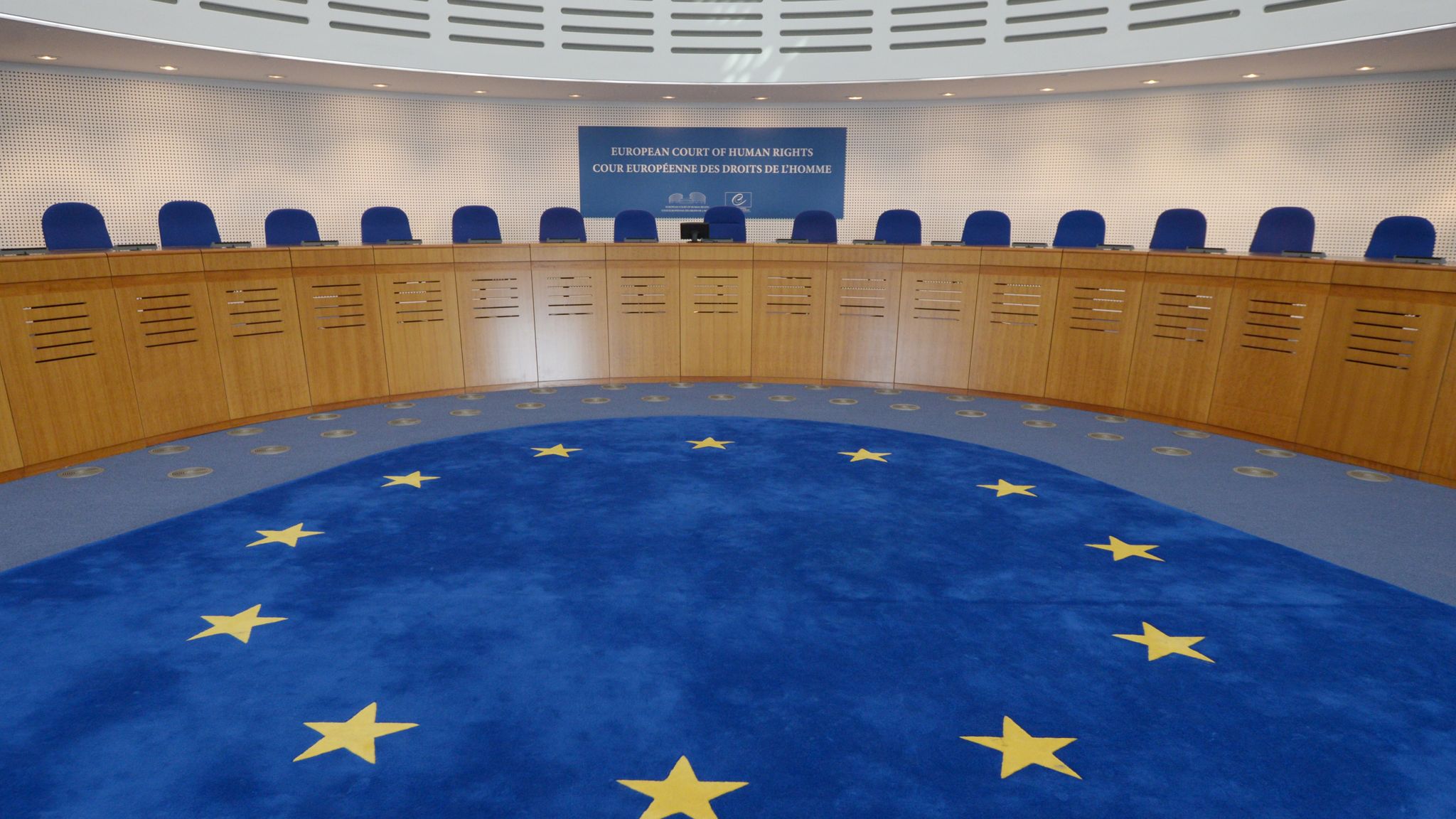
A significant legal development is sending shockwaves through the offshore gambling sector. Advocate General Rimvydas Norkus has delivered a formal opinion stating that EU courts have the authority to freeze bank accounts held by offshore gambling operators within the bloc — regardless of whether those operators have initiated insolvency proceedings in a foreign jurisdiction like Curaçao.
While the opinion is not yet binding, European courts follow Advocate General recommendations in the vast majority of cases. If formalised, the ruling would fundamentally undermine the corporate structures that many offshore operators have long relied upon to shield their assets from European enforcement.
How a German court case started it all
The opinion was triggered by a consumer dispute in Germany. A local player successfully sued a Curaçao-based online gambling operator, with the Frankfurt Regional Court ordering the company to reimburse €57,000 in losses. The winning claimant then sought to enforce the judgment by targeting the operator’s European bank accounts — specifically funds held in Cypriot financial institutions — using the European Account Preservation Order mechanism.
The operator responded by entering formal insolvency proceedings in Curaçao, a move typically used to complicate or delay cross-border enforcement. That strategy is now under serious legal threat.
Closing the offshore insolvency loophole
At the heart of Norkus’s opinion is a critical distinction: EU asset protection rules during insolvency proceedings apply only to insolvencies initiated within the bloc itself. Third-country insolvency filings — such as those launched in Curaçao — do not automatically trigger European asset protections.
The Advocate General argued that allowing offshore insolvency declarations to block EU enforcement would create damaging inconsistencies across Member States. Some countries might recognise foreign insolvency filings and refuse to issue freezing orders, while others would proceed immediately — fragmenting consumer protection across Europe. His position is clear: enforcement must be uniform, swift, and prioritise consumer compensation over offshore corporate interests.
What this means for operators
The practical implications for offshore operators serving European players are significant. Many Curaçao-licensed companies process payments through European banks and payment providers — financial touchpoints that EU authorities could now target directly. European financial institutions would be obligated to comply with preservation orders immediately, without prior warning to the operator.
In short, holding large operational reserves in European banks is becoming an increasingly risky proposition for unlicensed offshore operators. If the Court of Justice of the European Union formalises this opinion, the message to the industry will be unambiguous: European funds held within the bloc are within reach of European courts — and no offshore insolvency filing will change that.