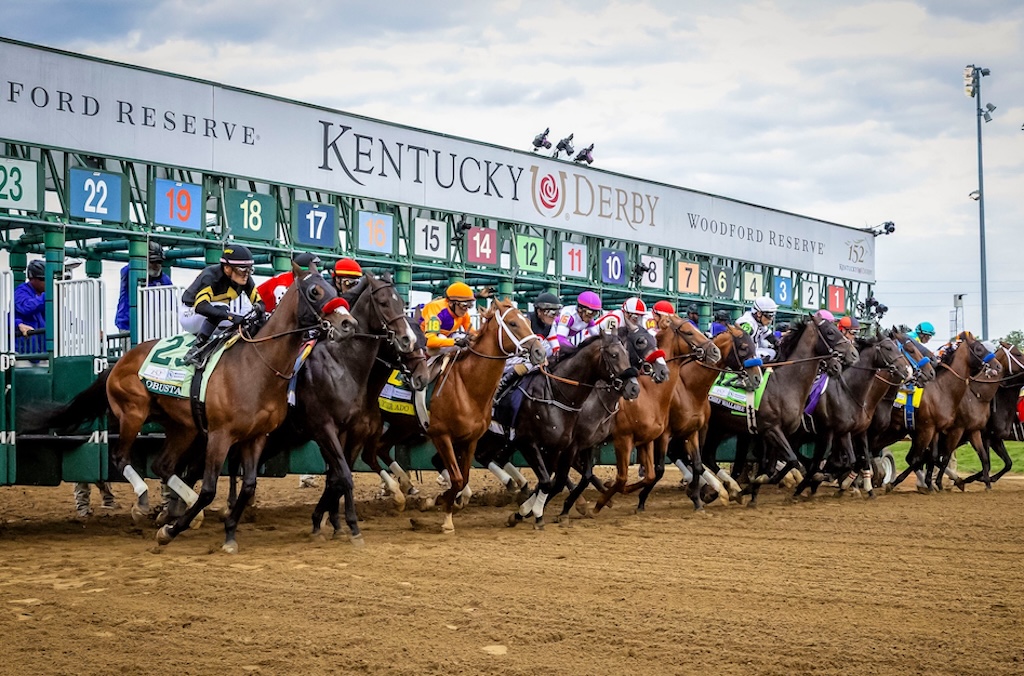
Prediction markets have spent the past year aggressively expanding into sports contracts — from election outcomes to major sporting events. Which makes their conspicuous absence from the Kentucky Derby all the more striking. Neither Kalshi nor Polymarket listed a market for one of the most high-profile horse races in the calendar, held at Churchill Downs on May 1-2, 2026.
Polymarket briefly tested the waters by opening a Derby market, but pulled it quickly after being contacted by Churchill Downs. “We reached out to Polymarket and asked for the wagers to be removed,” said Churchill Downs spokesperson Breck Thomas-Ross. “And Polymarket complied.” Kalshi did not announce any plans to offer trading on the race at all.
Table of Contents
The legal wall: the Interstate Horseracing Act
The hesitation comes down to a specific piece of legislation. The Interstate Horseracing Act gives racetracks and state regulators significant control over wagering on horse races — and prediction markets cannot legally offer contracts on those races without explicit consent from the relevant parties.
Tom Rooney, head of the National Thoroughbred Racing Association, was clear about where things stand. “Right now, the law’s fairly clear on what [prediction markets] are allowed to do without consent by our sport,” he said. “There is a door that could be opened if a racetrack or state gaming commission or horseman’s group would give consent. We don’t have that yet.”
Why horse racing is different
Unlike other sports, horse racing is uniquely intertwined with betting revenue. Wagering is not just a side activity — it funds prize money, racetrack operations and breeding programmes. Last year, betting on the Derby reached record levels, with hundreds of millions of dollars wagered, with proceeds flowing directly back into the sport through taxes and revenue-sharing agreements.
“The wagering at the Kentucky Derby is the event,” said John Holden. “When people go to the Kentucky Derby, by and large they’re there to bet on the horse race.”
Economist Thomas Lambert put the stakes plainly: “If too many people use these prediction markets, then the tracks are basically sunk.” If betting migrates away from regulated platforms toward prediction markets, significantly less money flows back into the racing ecosystem — a threat the industry takes very seriously.
The race itself
The 2026 Kentucky Derby produced a memorable result. Longshot Golden Tempo won at odds of 23-1, followed by Renegade, Ocelli and Chief Wallabee. The victory also made history — Golden Tempo’s trainer, Cherie DeVaux, became the first female trainer to win the Kentucky Derby.
What comes next
For now, the legal barrier remains firmly in place. But Rooney’s comments about a “door that could be opened” suggest the industry is aware that the situation could change — and is watching carefully. Whether prediction markets will eventually find a way into horse racing wagering, with or without industry consent, remains one of the more interesting regulatory questions in the space.